
COYA’s ceremonial tradition endured in North America through great effort and sacrifice, eventually becoming what is known today as the Native American Church (NAC). From there, teachers carried the lineage into the Andes of South America, adapting its ceremonies to center on a plant sacrament found in that region. These ceremonies take two forms: nighttime gatherings held around the fire, and daytime ceremonies held in nature. The Church’s practice retains the defining elements of this lineage, including the ceremonial staff, the gourd rattle, prayers offered with tobacco and cedar, and the structure of the Four Altars. This lineage is sometimes called the Red Road, a descriptive term used across many related traditions rather than the name of a single organization. The Church is not a chapter, affiliate, or representative of any other body or church; its teachings and ceremonies are passed down through training, apprenticeship, and initiation within its own lineage of teachers.
Yachay and the Apus
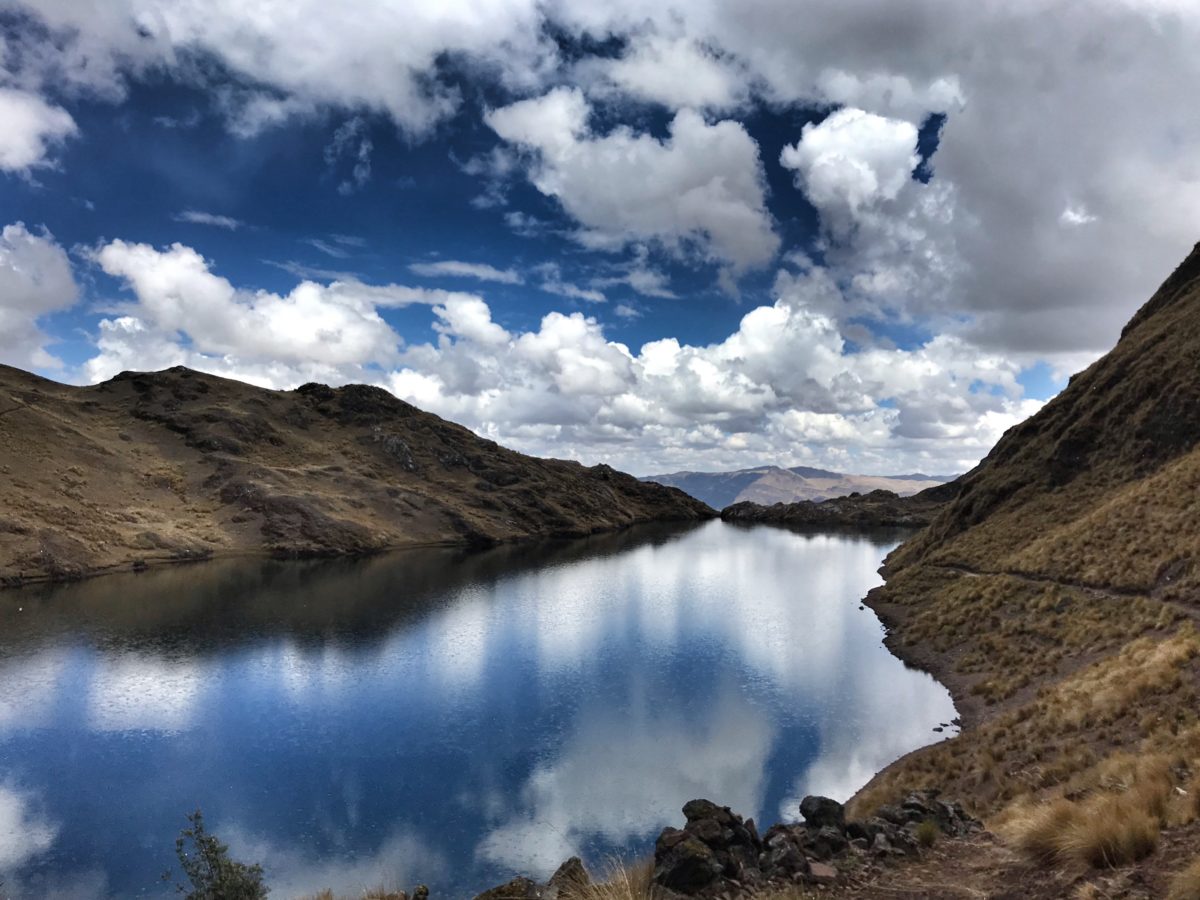
Our theology rests on two central pillars, from which the Church takes its name. Yachay is the pursuit of sacred wisdom and higher knowledge, understood not as abstract learning, but as a lived, embodied realization gained through disciplined spiritual practice. The Apus are the mountain spirits of Andean cosmology, venerated as guardians of the land and teachers of the community. We regard communion with the Apus as a central expression of our reverence for the natural world and the wisdom it holds.
Who This Is For
Participation in COYA’s ceremonial life requires a professed, sincere commitment to our teachings. We do not offer sacramental participation to the general public. If the calling above speaks to you, the next step is reaching out through our contact form; participation begins with an application.